The rapid growth of battery recycling across Europe is creating new industrial safety challenges, particularly in black mass processing facilities. As electric vehicle adoption accelerates and battery lifecycles shorten, the European Union is strengthening regulatory frameworks to ensure sustainability, traceability, and operational safety. Alongside environmental requirements, explosion protection is emerging as a critical compliance issue for battery recycling operators and equipment manufacturers.
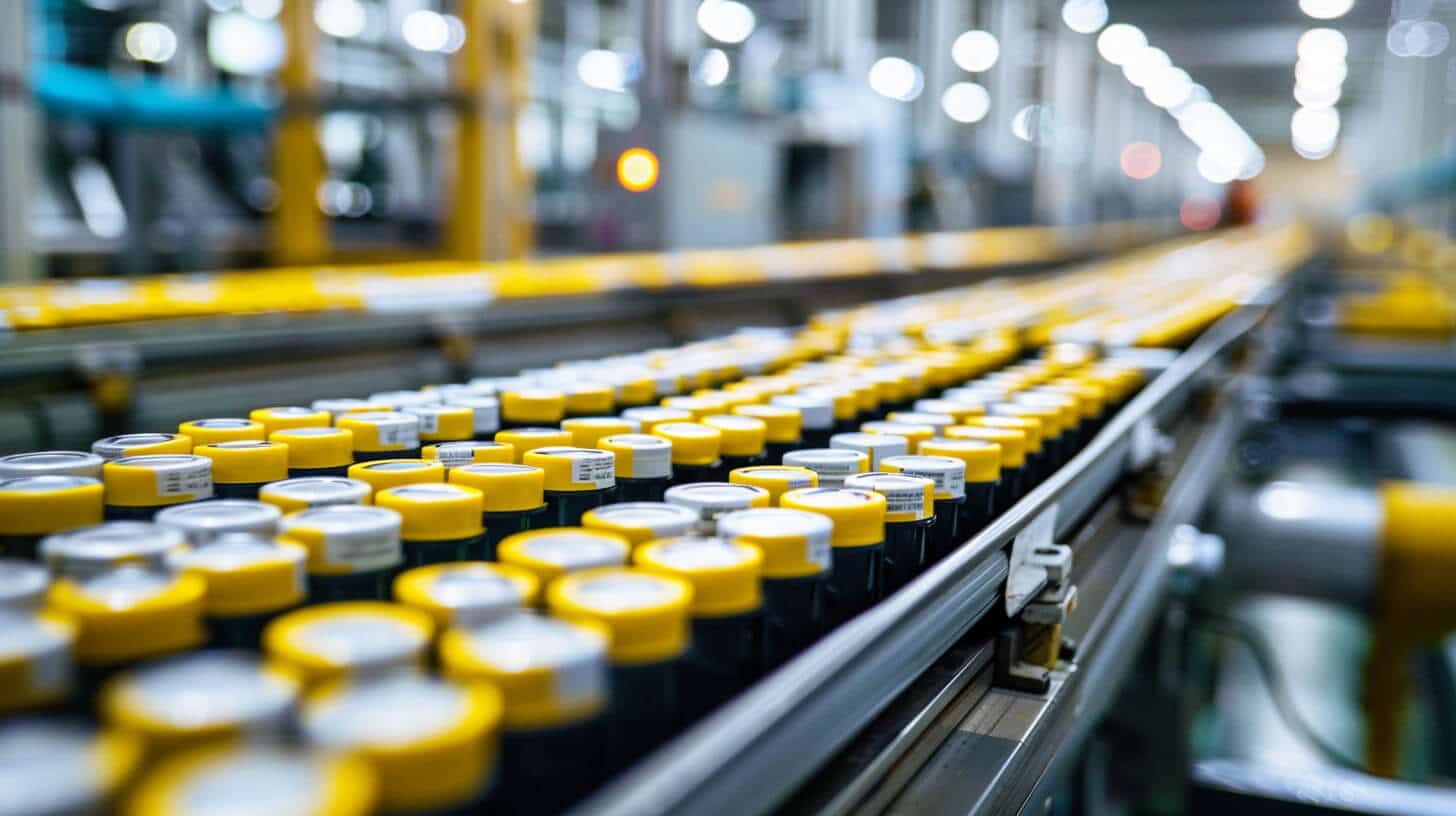
The introduction of the EU Battery Regulation (EU) 2023/1542, which entered into force in August 2023, is significantly accelerating battery recycling investments across Europe. The regulation introduces mandatory requirements for battery lifecycle management, recycling efficiency, and material recovery, increasing the need for new recycling plants and processing facilities.
However, while sustainability goals drive expansion, battery recycling operations, especially black mass processing, involve combustible dust, reactive metals, flammable electrolytes, and residual battery energy, all of which create potential explosion hazards.
Growing Battery Recycling Capacity in Europe
Europe is rapidly building battery recycling infrastructure to support the growing electric vehicle market. According to industry forecasts, electric vehicle sales in Europe are expected to continue growing strongly through 2030, resulting in a significant increase in end-of-life batteries requiring recycling.
The International Energy Agency (IEA) reports that global electric vehicle sales exceeded 14 million vehicles in 2023, and battery demand continues to grow across both mobility and stationary energy storage applications. As a result, battery waste volumes are expected to increase significantly over the coming years, driving demand for recycling facilities.
The EU Battery Regulation (EU) 2023/1542 sets minimum recovery targets, including:
- 50% lithium recovery by 2027.
- 80% lithium recovery by 2031.
- 90% cobalt, copper, nickel, and lead recovery targets.
These requirements are accelerating investment in recycling plants across:
- Germany.
- France.
- Sweden.
- Poland.
- Belgium.
- Finland.
Several large-scale battery recycling facilities are already under development or construction across Europe, with many expected to become operational between 2025 and 2028.
As these facilities expand, explosion protection becomes a key safety requirement.
What Is Black Mass and Why It Creates Explosion Risks
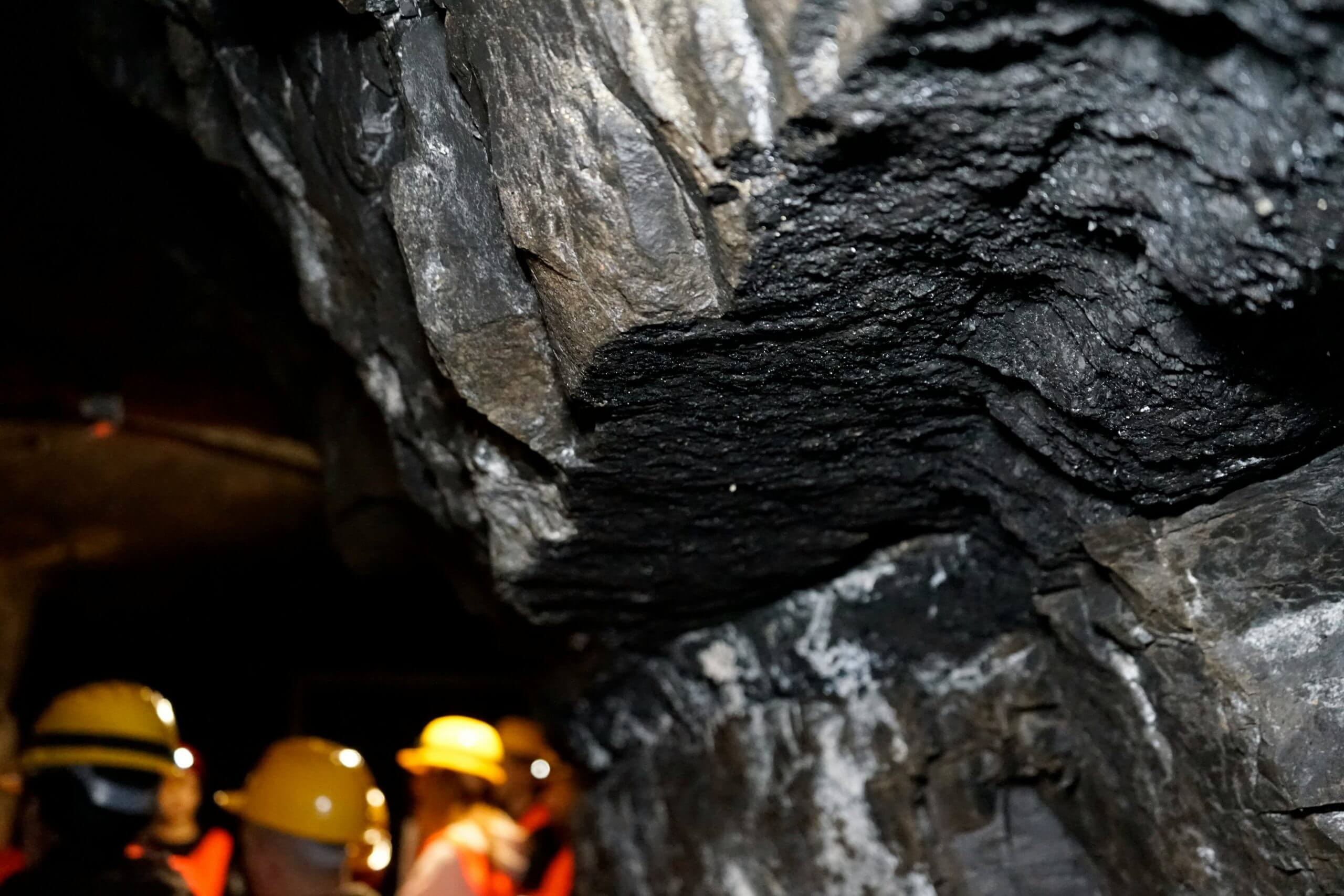
Black mass is the powder-like material obtained after shredding and processing used lithium-ion batteries. It contains valuable metals such as:
- Lithium.
- Nickel.
- Cobalt.
- Manganese.
- Graphite.
However, black mass processing introduces several explosion risks. The material often contains fine combustible dust, which may create explosive atmospheres when dispersed in air. Additionally, residual battery energy can cause thermal events, increasing ignition risk.
Battery recycling facilities often handle:
- Dust-generating shredding processes.
- Solvent-based separation systems.
- Mechanical crushing operations.
- Chemical processing steps.
Each of these processes can create hazardous zones where ignition sources must be carefully controlled.
Dust explosions represent one of the most significant risks. Fine powders, including graphite and lithium compounds, can ignite when exposed to sparks, static electricity, or hot surfaces. These conditions are common in industrial recycling operations.
Another challenge is residual battery energy. Even partially discharged batteries can still contain enough energy to trigger fires or explosions during shredding or crushing operations.
Hazardous Areas in Black Mass Processing Plants
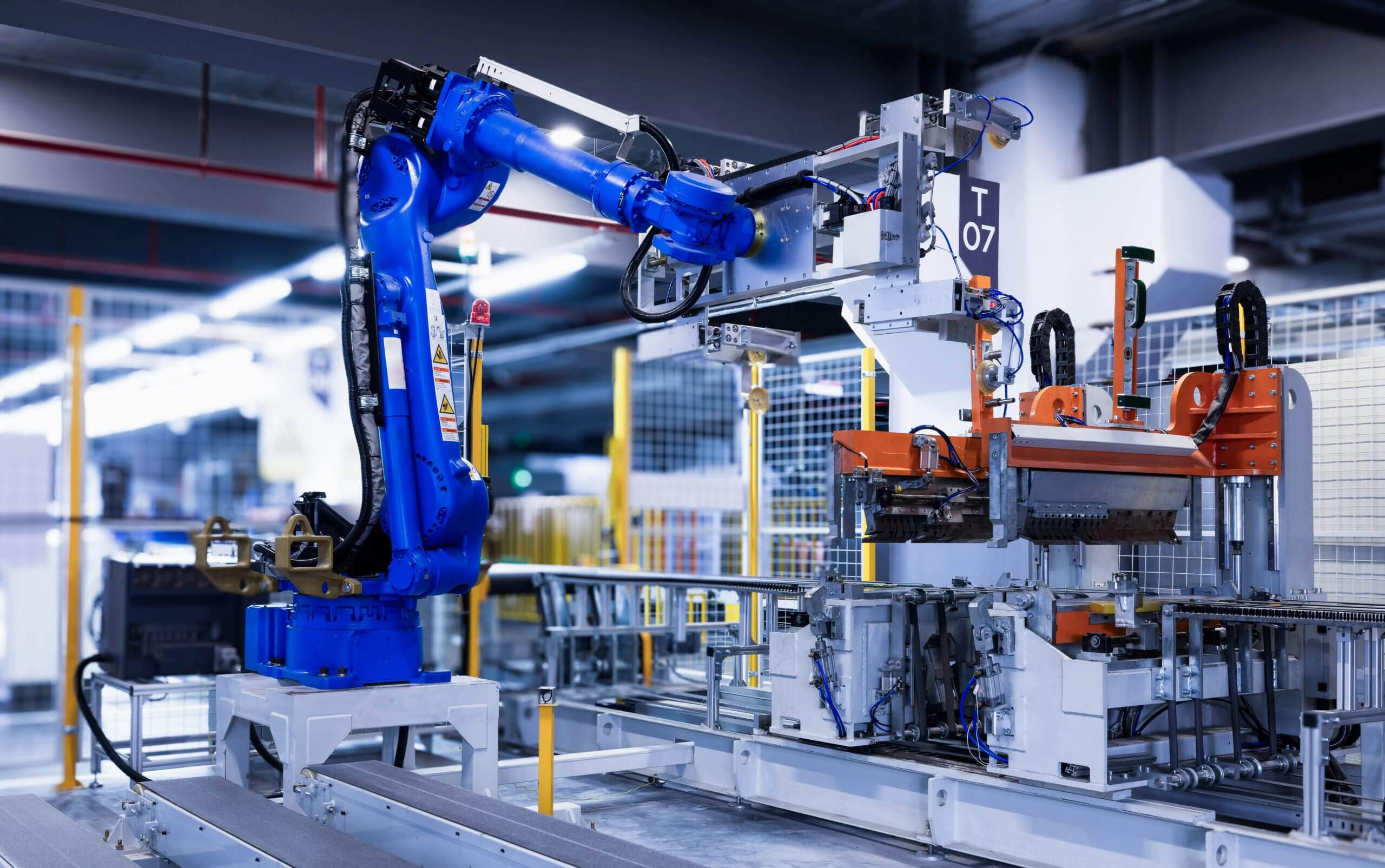
Battery recycling facilities typically include multiple areas where explosive atmospheres may occur. These include shredding lines, material transfer systems, dust collection units, and chemical processing zones.
Equipment commonly requiring explosion protection includes:
- Motors and drives.
- Dust collection systems.
- Conveyors.
- Ventilation equipment.
- Control panels.
- Sensors and monitoring systems.
Hazardous area classification is essential to determine appropriate protection levels. Facilities must evaluate:
- Dust explosion risks.
- Gas formation risks.
- Ignition sources.
- Ventilation conditions.
This assessment determines whether equipment must comply with ATEX Directive 2014/34/EU.
Evaluate Explosion Protection Early
Battery recycling projects should evaluate explosion protection requirements during the design phase. Early assessment helps prevent costly redesigns and certification delays.
Danem Test and Certificate AG supports manufacturers and plant operators with ATEX certification, hazardous area classification, and explosion protection compliance. Our team helps identify applicable requirements and certification pathways. To discuss your project, fill out the form at our contacts page: www.danem-test.com/contacts
Regulatory Requirements Under ATEX
Battery recycling plants operating in Europe must comply with:
- ATEX Directive 2014/34/EU (equipment certification)
- ATEX Workplace Directive 1999/92/EC (facility safety requirements)
Operators must perform explosion risk assessments, identify hazardous zones, and select certified equipment accordingly.
Manufacturers supplying equipment to battery recycling facilities must ensure compliance with ATEX requirements. Certification may include:
- Equipment testing.
- Design evaluation.
- Technical documentation.
- Certification and marking.
Outside Europe, many battery recycling projects also require IECEx certification for international acceptance.
Emerging Safety Challenges in Battery Recycling
Battery recycling introduces new safety challenges compared to traditional industrial processes. One emerging issue is mixed battery chemistries. Recycling plants often handle different battery types, each with unique characteristics. This variability complicates hazard analysis and explosion protection planning.
Another challenge involves battery storage prior to processing. Damaged or degraded batteries may present higher risks of thermal runaway or gas release.
Dust handling systems also present challenges. Dust collection equipment must be carefully designed to prevent ignition and explosion propagation.
These risks make certified explosion-proof equipment increasingly important in battery recycling operations.
Increasing Market Demand for Recycling Facilities
The battery recycling market is expected to grow significantly over the coming decade. Industry analysts estimate that the global battery recycling market could exceed $30 billion by 2030, driven by electric vehicle growth and regulatory requirements.
Europe is expected to play a major role in this expansion. The EU’s circular economy strategy encourages local recycling to reduce dependence on imported raw materials.
Battery recycling is becoming strategically important for:
- Automotive manufacturers.
- Energy storage providers.
- Battery manufacturers.
- Recycling companies.
This growth increases demand for explosion-protection certification and compliance services.
Certification Planning for Black Mass Processing Facilities
Early certification planning helps reduce risks and improve project timelines. Companies involved in battery recycling projects should consider:
- Hazardous area classification.
- Equipment certification requirements.
- ATEX compliance planning.
- Documentation preparation.
Danem Test and Certificate AG supports battery recycling projects with ATEX certification, IECEx certification, and explosion protection services.
Our team works with equipment manufacturers, plant designers, and recycling operators to ensure compliance with applicable regulations.
Prepare for Battery Recycling Explosion Protection Requirements
Battery recycling expansion across Europe is creating new explosion protection challenges, particularly in black mass processing facilities. Companies involved in battery recycling should evaluate certification requirements early and ensure compliance with ATEX and IECEx standards.
Danem Test and Certificate AG provides explosion-proof certification and compliance services for battery recycling projects worldwide. If your company is planning a battery recycling facility or supplying equipment, contact Danem Test and Certificate AG for certification using the form here.